Serving DeKalb, IL and surrounding areas. (815) 981-3470
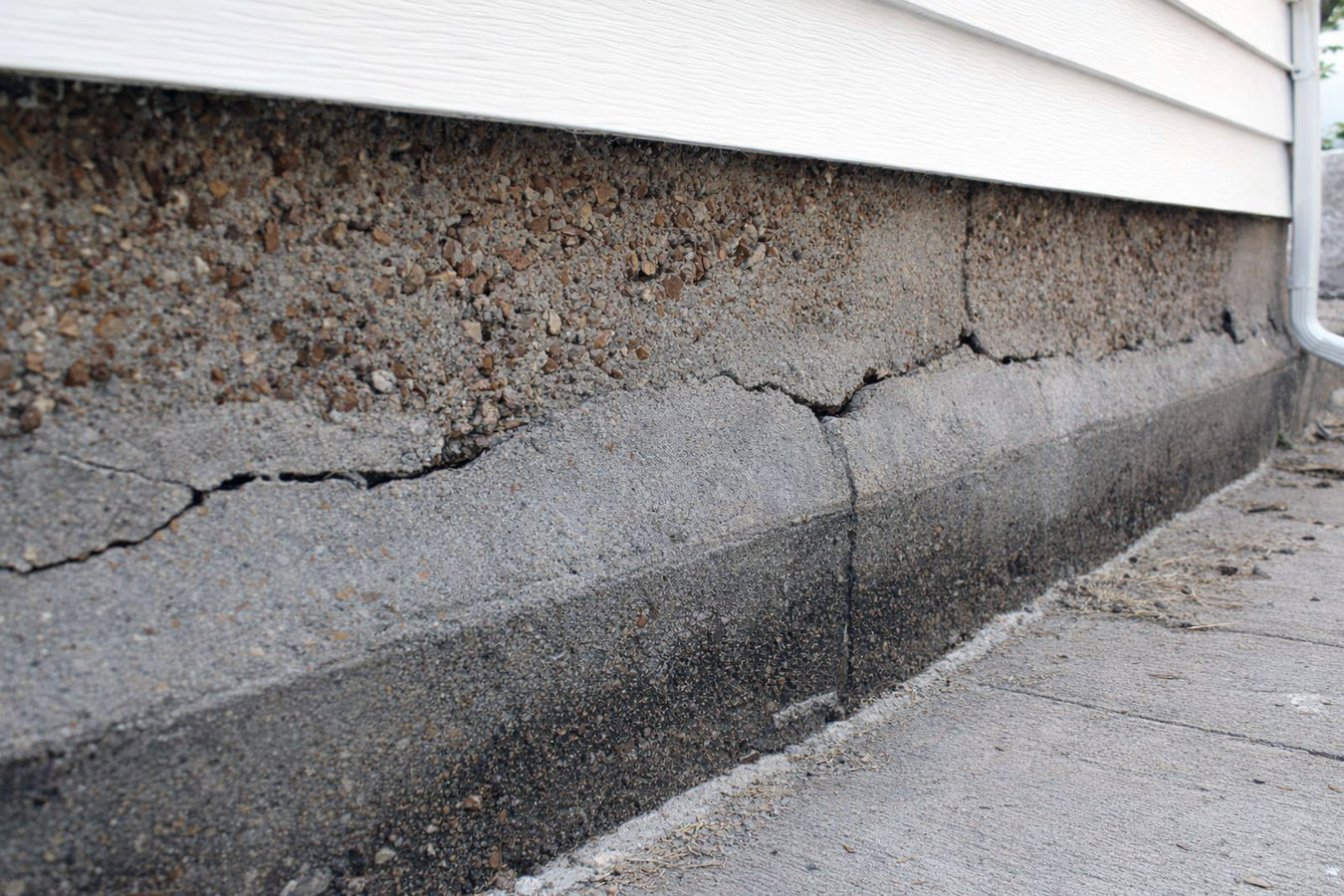
Your driveway, patio, or sidewalk has dropped - but that does not mean you need to tear it out. Foundation raising lifts sunken concrete back to level in hours, for a fraction of replacement cost, with results that hold through DeKalb winters.
Foundation raising in DeKalb, IL is the process of lifting a sunken concrete slab back to its original level - material is pumped through small holes drilled through the slab to fill voids and push the concrete up, and most residential jobs are completed in a single day without tearing anything out.
DeKalb homeowners notice sinking most in spring, after the ground finishes thawing and the full movement from winter becomes visible. The freeze-thaw cycles here are hard on concrete, and the clay-heavy soils across DeKalb County shift with every wet and dry season - creating the voids that allow slabs to drop. Foundation raising addresses that settling directly, which is why it is often the right first call before considering a full replacement.
If a slab is too far gone to raise, the conversation shifts to a new slab foundation. But for most homeowners with a dropped driveway, patio, or sidewalk, raising is the faster, less disruptive, and far less expensive path.
Stand at one end of your driveway, patio, or garage floor and look down the length of it. If one section sits noticeably lower than another - even by an inch or two - the soil underneath has shifted. In DeKalb, this often becomes obvious in late spring after the ground has finished thawing, when the full extent of winter movement becomes clear.
If water collects against your home's foundation or sits in low spots on your driveway or patio after rain, the concrete has likely dropped and is now directing water the wrong way. DeKalb's clay-heavy soils do not drain quickly, so pooling water near a slab can accelerate further sinking and eventually threaten the foundation of the house itself.
When the ground under part of your foundation shifts, the frame of your house can shift with it - even slightly. If doors that used to swing freely now stick, or gaps appear at the top corners of door frames, the structure is moving. This is worth taking seriously if the sticking started or worsened after a wet winter or spring.
If you trip on your own sidewalk or notice a raised edge where two concrete sections meet, one section has dropped relative to the other. Beyond being a tripping hazard, that uneven joint lets water get underneath - which speeds up further sinking. This is one of the most common reasons DeKalb homeowners call a foundation raising contractor.
The two main approaches to foundation raising are mudjacking and polyurethane foam injection. Mudjacking - also called slab jacking - has been used for decades and works by pumping a cement-and-soil slurry through holes drilled in the slab. It is typically the more affordable option and works well when the void beneath the slab is large. Polyurethane foam injection uses a lightweight expanding foam instead of slurry - it cures faster, leaves smaller holes, and adds less weight to the soil. Both can produce excellent results; the right choice depends on the slab, the soil conditions, and the size of the void.
We also help homeowners understand whether raising is the right approach at all. When concrete has cracked into many pieces or heaved unevenly from years of freeze-thaw damage, a full slab foundation replacement may be the more honest answer. If adjacent cutting work is needed to remove damaged sections cleanly before any lift, we coordinate that through our concrete cutting services as well.
Right for homeowners with larger voids and larger slabs where a cost-effective, proven method is the priority.
Suits situations where faster cure time, lighter material weight, or smaller patch holes matter - common on finished patios and pool decks.
For homeowners whose slab keeps re-settling - we assess the water movement causing the void so the same problem does not come back the following spring.
DeKalb sits in a climate zone where the ground freezes and thaws repeatedly every winter - sometimes multiple times in a single season. Each cycle pushes soil up and pulls it back down, which gradually destabilizes the ground under slabs. The silty clay loam that covers much of DeKalb County holds water, expands when wet, and shrinks when dry - a combination that puts more stress on flatwork here than in areas with sandier, more stable soil. Homes built in DeKalb in the 1950s through 1970s have been through 50 or more winters of this movement, and even slabs that were installed correctly are showing the results. The Illinois State Geological Survey documents the glacially deposited soil conditions across DeKalb County that make this area particularly prone to slab movement.
Slab settling is a consistent concern across the region, not just in the city center. We work regularly with homeowners in Sycamore and Batavia who face the same freeze-thaw conditions and clay soils. Whether your slab dropped over one winter or gradually over a decade, the assessment process and repair options are the same.
When you reach out, we ask a few basic questions - what type of slab is affected, roughly how much it has sunk, and whether you have noticed related issues like water pooling or sticking doors. We reply within one business day and schedule a site visit that works for you.
We walk the affected area with you, measure how much the slab has dropped, and assess the likely cause. We explain what we found in plain terms and give you a written estimate before any work begins - no phone quotes that change on arrival.
The crew drills small holes through the slab, inserts a nozzle, and pumps material underneath until the slab rises back to level. Most of the lifting happens in minutes once pumping starts. The crew monitors level carefully as they go to avoid overcorrection.
Once the slab is level, the drill holes are filled and the work area is cleaned up. You can typically walk on the surface within a few hours and drive on a driveway by the following day. We also walk you through drainage recommendations to protect the repair long-term.
Call us or submit a request - we respond within one business day, give you a written estimate after the site visit, and stick to it.
(815) 981-3470DeKalb's clay soils and hard winters are a specific combination that puts real stress on concrete slabs, and the cause of your sinking matters as much as the fix. We explain exactly what we found underneath your slab and what you can do to keep it from happening again - so you are not just paying to lift concrete, you are getting a real answer about your home.
You receive a written quote after the on-site assessment, and we stick to it. One of the most common fears homeowners have when hiring any contractor is that the price will change once work starts - we eliminate that uncertainty before the job begins.
Structural foundation work in DeKalb requires a permit through the City of DeKalb, and we handle the process. The permit protects you - it means the work is inspected and on record. The Concrete Foundations Association outlines the standards that govern this type of work - we follow them on every job.
A slab that gets lifted and sinks again the following spring is money wasted. We account for the freeze-thaw movement that is normal in northern Illinois when we assess your slab, so the repair is designed to stay level through the seasons - not just look good on the day we leave.
Every one of these points connects back to the same thing: a repair that holds and a homeowner who understood what was done and why. That is what we deliver on every foundation raising job in DeKalb.
Precision saw cutting for damaged slab removal, expansion joints, and egress openings - the first step before many foundation repair projects.
Learn MoreFull slab foundation construction in DeKalb for new buildings, additions, and replacement when a raised slab is no longer viable.
Learn MoreFoundation raising is a same-day job for most DeKalb homeowners, but spring slots fill fast - reach out now to lock in your estimate.