Serving DeKalb, IL and surrounding areas. (815) 981-3470
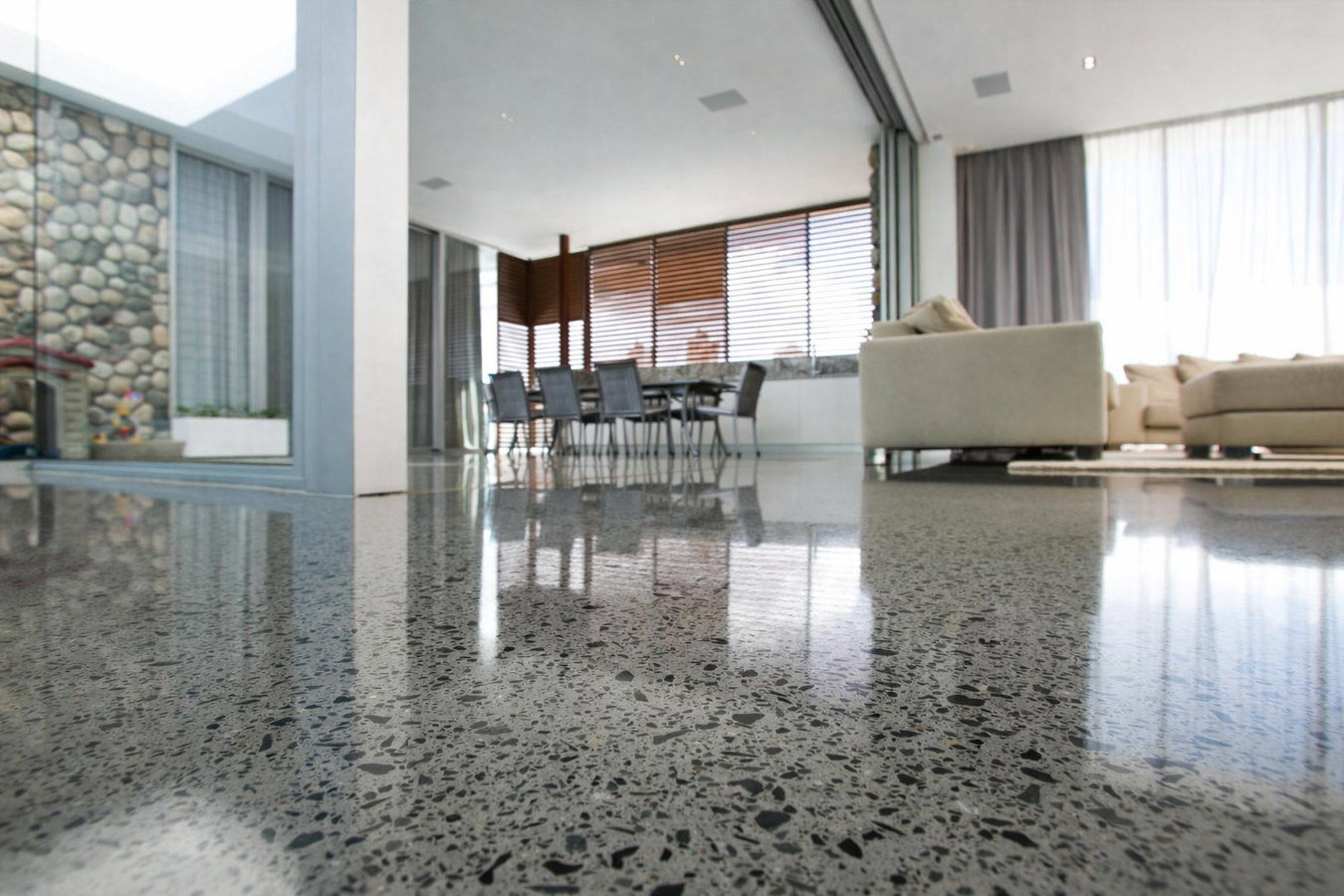
Cracked, damp, or worn-out basement or garage floor? We pour new concrete floors in DeKalb with the right base prep, proper thickness, and a sealed finish built to handle Illinois freeze-thaw winters.
Concrete floor installation in DeKalb, IL takes one to two days for the pour itself, followed by 24 to 48 hours before light foot traffic and about seven days before heavy use. Most homeowners are fully back in the space within ten days, though the concrete continues to cure and gain strength over 28 days.
DeKalb has a significant number of homes built in the mid-20th century, and many have original basement slabs that are now 50 to 70 years old. If your floor is cracking, settling, showing moisture, or simply worn out, a new pour is often the most cost-effective solution - especially if you are planning to finish the space or update the garage.
Floor installation projects are often combined with garage floor concrete work when homeowners are refreshing multiple spaces at once, since both projects share the same base prep and pour process.
Small hairline cracks are common and often harmless, but cracks wider than a quarter-inch - especially those with edges at different heights or that seem to be growing - signal that the slab is shifting or failing. In DeKalb, clay-heavy soil expands and contracts with the seasons, which is a leading cause of this kind of movement in older homes.
That white, chalky powder on your concrete floor is called efflorescence - mineral deposits left behind when water moves through the slab and evaporates. It is a sign moisture is getting into your floor from below, which is common in DeKalb's wet springs. Persistent moisture can weaken the slab over time and create conditions for mold growth.
If your floor looks like it is peeling or has rough, crumbly patches where the surface has broken away, the top layer of the concrete has deteriorated. This is often caused by years of road salt tracked in from DeKalb winters, or by a pour that was not cured properly. Once the surface starts breaking down, it spreads - and patching only goes so far before replacement makes more sense.
If part of your floor feels noticeably lower than the rest, or you can see a slope that was not there before, the slab has likely settled. The glacial-till soil under most DeKalb homes can shift or compress unevenly over time. This is a tripping hazard and can affect drainage in a garage or utility space.
The two most common residential concrete floors we install in DeKalb are standard broom-finished garage floor concrete slabs for garages and utility spaces, and smoother finished floors for basements being converted to living space. Thickness is the most important spec decision: four inches handles foot traffic and standard storage, while five to six inches is needed if you plan to park vehicles or store heavy equipment. Cutting corners on thickness is one of the most common mistakes that leads to cracking within a few years.
For homeowners finishing a basement or creating a more polished look, we offer stained and sealed concrete floors that work as finished surfaces on their own. These pair well with our concrete pool decks work when homeowners want a consistent surface treatment across indoor and outdoor spaces. Whatever the finish, proper base prep and reinforcement go into every pour.
Best for garages, basements, and utility rooms where durability and low maintenance matter more than appearance.
Suits homeowners who park cars, trucks, or heavy equipment and need a thicker slab that holds up under the load.
Right for homeowners finishing a basement or utility space who want a surface that looks finished without adding flooring on top.
DeKalb sits in USDA Hardiness Zone 5b, where freeze-thaw cycles are one of the most consistent stresses on concrete. Water seeps into the slab surface, freezes overnight, expands, and slowly breaks the top layer apart - especially on a floor that was poured thin, not properly cured, or never sealed. For homeowners in DeKalb's older neighborhoods, where many original basement floors date back to the 1950s or 1960s, those floors have had decades of that stress to contend with.
The glacial-till soil under most of DeKalb County - a mix of clay, silt, and sand - can shift and compress over time, which is why base preparation is not optional here. We bring that same attention to base prep to every job across the area, including homeowners we work with in Bolingbrook and Aurora, where similar soil and climate conditions require the same careful approach.
We ask a few basic questions, then schedule a time to come see the space in person. The condition of the existing floor and the base underneath it can change the scope significantly. You receive a written estimate that breaks down what is included - not just a single number.
If a City of DeKalb permit is required, we handle the application before any work begins. We also walk you through what needs to be cleared from the space and give you a specific date for the demo and pour so you can plan around it.
If the existing slab is being removed, demo happens one to two days before the pour. On pour day, the crew sets forms, lays reinforcement, brings in the concrete, and finishes the surface while it is still workable. This takes several hours depending on floor size.
Once poured, the crew manages the curing process. Light foot traffic is possible after 24 to 48 hours; heavy use waits about seven days. If a permit was pulled, we coordinate the city inspection. We walk the floor with you before closing out the job.
We respond within 1 business day. There is no obligation after your free estimate. Once you submit, someone from our office will call to schedule a site visit and walk through the project with you.
(815) 981-3470We assess the existing base layer, compact it, add gravel where needed, and check for moisture issues before the concrete truck arrives. Pouring a new floor on a bad base just buries the problem - we fix the base first, which is the step that determines how long your floor lasts.
We pour at the thickness your use case actually requires - four inches for storage and foot traffic, five to six inches for vehicles. Cutting to three inches to save money is a decision you pay for in cracking and replacement costs within a few years. We tell you what we are proposing and why before any work starts.
The City of DeKalb requires permits for most new slabs and significant floor replacements. We pull the permit, coordinate the inspection, and make sure the finished floor is on record with the city. For homeowners planning to sell, that paper trail matters. The American Concrete Institute provides guidance on standards at{' '} concrete.org.
A concrete sealer applied after the pour blocks moisture and road salt from soaking into the surface - both major stresses in DeKalb winters. We apply the sealer as part of the job so the floor is protected from the first winter, not just until you get around to it.
A concrete floor built to the right spec - good base, correct thickness, proper curing, and sealed - should not need attention again for decades. We build it that way the first time so you are not calling someone back in three years.
For permit information, visit the City of DeKalb Building Department. For concrete industry standards, see the American Concrete Institute. For federal guidance on concrete pavement, visit the Federal Highway Administration.
Durable, slip-resistant concrete pool decks designed for DeKalb's seasonal weather - properly pitched, sealed, and built to outlast the pool itself.
Learn MoreGarage floor pours with the right thickness, reinforcement, and sealing for vehicles and winter road salt - a cleaner, harder surface than many original garage slabs.
Learn MoreSpring schedules fill fast - reach out now to get your written estimate and lock in a start date before the best weather window closes.